
Pearl Abyss Stock Drops 29% as Crimson Desert Misses Investor Hype
Pearl Abyss shares fell sharply after Crimson Desert debuted to solid but not blockbuster reviews, showing how aggressively investors had priced in a breakout hit.
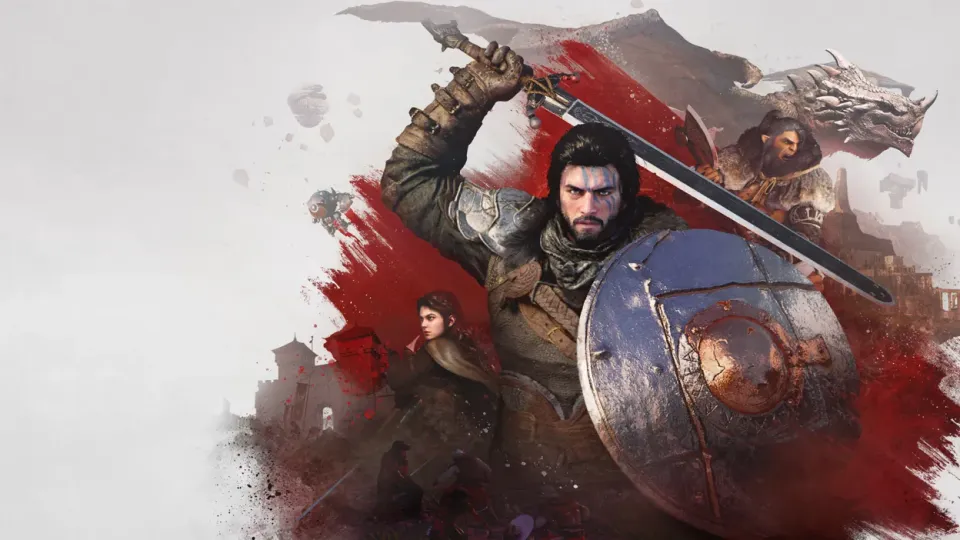
Pearl Abyss shares plunged on March 19, 2026 after review scores for Crimson Desert came in below market expectations, and that matters because the stock had become a bet on one launch delivering a major step up for the company. Seoul Economic Daily reported the stock was down 29% to 46,600 won in morning trading after critics’ scores landed below the mid-to-high 80s many investors had apparently been expecting.
The game itself did not flop. On Metacritic, Crimson Desert was sitting around 77-78, which is still broadly favorable. But in public markets, “good” is not always good enough when a company has spent years building anticipation around a single release.
This was really a correction in expectations
The key fact is not just the review average. It is how much expectation had been loaded into Crimson Desert before launch.
Seoul Economic Daily said the game took about seven years to develop, with development costs reaching roughly 200 billion won. That made the title more than a normal release. It became the clearest near-term proof point for whether Pearl Abyss could convert years of investment into a premium single-player hit with global reach.
That is why the stock reaction looks so extreme. Investors were not repricing the game from “bad” to “terrible.” They were repricing it from “potential breakout event” to “probably successful, but less transformative than hoped.” The difference matters because gaming stocks often trade on what one flagship title could unlock, not just on whether it reviews positively.
Pearl Abyss is trying to prove it can be more than Black Desert
This launch also matters strategically. Crimson Desert is a premium boxed product launching across PS5, Xbox Series X|S, PC, Mac, and GeForce NOW, which puts it in a different lane from the live-service identity many players associate with Pearl Abyss through Black Desert. The company has also positioned it as a premium game without launch microtransactions.
That shift is important because it is part of a broader attempt to prove the studio can compete in the high-end global action-adventure market, not just maintain an MMO business. Mixed reviews do not end that effort, but they do raise the bar for what comes next. Now the conversation moves from pre-release promise to actual sell-through, player retention, and whether post-launch updates can improve sentiment.
Launch sales matter more now than review headlines
The next phase is straightforward. Review scores have set the tone, but sales and player response will decide whether this was an overreaction or an early warning.
If Crimson Desert converts its visibility into strong launch-week sales, Pearl Abyss can still argue the market overcorrected. If sales disappoint or technical and design complaints dominate player feedback, the stock drop will look less like panic and more like a fast reset to reality. Either way, the market is no longer grading the game on hype. It is grading it on results.
What this means
This story matters because it shows how fragile game-company valuations can be when one release carries outsized strategic weight. Crimson Desert appears to be a credible launch, but not yet the runaway prestige hit that some investors had priced in. The next thing to watch is whether launch sales, player sentiment, and post-release support can rebuild confidence in Pearl Abyss as a broader premium publisher, not just the company behind Black Desert.